A Little Known Act of One U.S. Senator's Heroism; Others, Take Note
In mid-June 55 years ago I received a phone call from a man who didn’t identify himself, but I later learned was Daniel Ellsberg.
At the time, I was chief of staff to Alaska U.S. Senator Mike Gravel. The caller asked me if Senator Gravel would be willing to insert the Pentagon Papers into the Congressional Record.
Days earlier the New York Times and the Washington Post began publishing a Pentagon-compiled report marked “Top Secret -Sensitive,” that provided damning evidence of the official errors and lies that kept U.S. troops fighting and dying in Vietnam long after civilian and military policymakers knew the war was unwinnable.
President Nixon, citing “irreparable injury to the defense interests of the United States,”won a cease-and-desist order from a District Court that restrained further publication of the Pentagon Papers. The newspapers complied while the Supreme Court considered a final judgment in the case.
Ellsberg, a defense contractor employe who leaked the material to the Times and Post, was hiding from arrest by federal authorities. He was fearful that if the Supreme Court permanently stopped publication, the story of how the public was misled into supporting the war would not see the light of day. He’d asked other members of Congress to insert the Papers into the Congressional Record as an end run around a court decision. None agreed. If the Papers were published in the Congressional Record, it would mean they already would be in the public domain and the court case would be moot. Now he was calling to ask Senator Gravel.
The Call That Triggered a Constitutional Gamble
The senator was in the Senate gym at the time, so the call came to me as his senior assistant.
I told my mysterious caller (Ellsberg was not yet a household name) I would find Gravel, and I asked him to call back in an hour. Then I went to the members’-only gym, talked my way past the gatekeepers, and conveyed the message to Gravel.
That started the clock on what turned out to be a three-day virtually sleepless marathon where Gravel and I and other members of our staff knowingly broke the law.
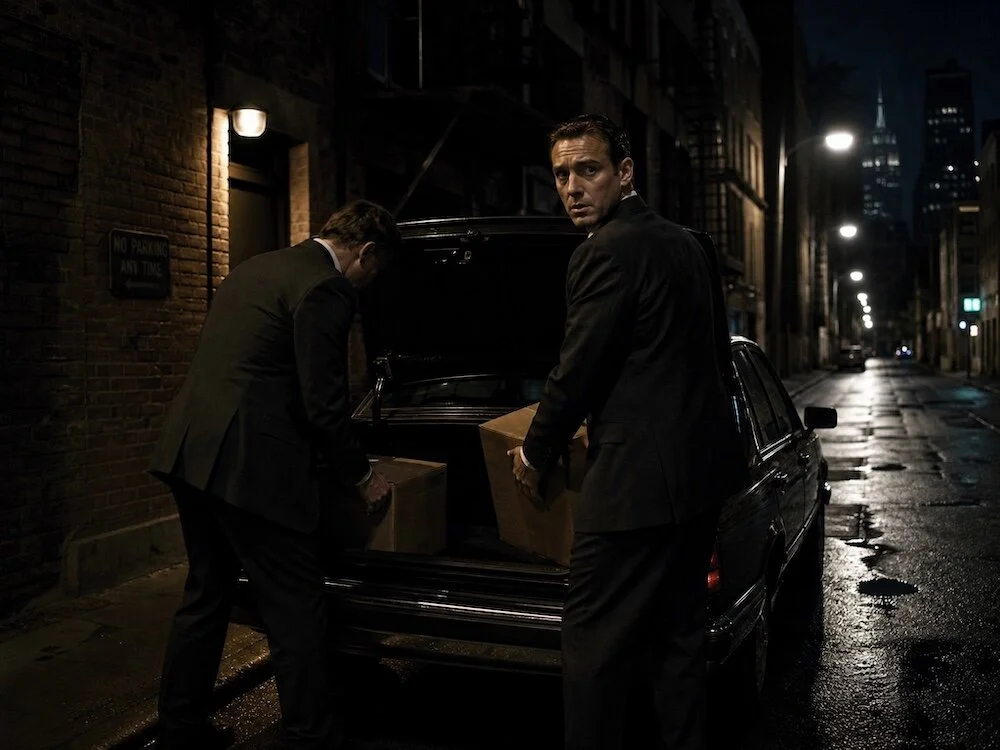
After Gravel agreed to submit the Papers to the Congressional Record arrangements were made for he and I to pick up boxes containing copies late at night from a car parked on a side street next to Washington’s Mayflower hotel. We went there as planned, anxious that our phones may have been tapped by the FBI, that we may have been followed, and arrested by waiting agents.
From there, looking over our shoulders all the way, we drove to Gravel’s home in a Maryland suburb where over a 36-hour period, with other staff members we scanned through the Papers to redact any names or information that seemed to compromise national interest. There were hardly any.
Finally, we secretly carted them back into the Senate. When Senator Gravel tried to read the Papers on the Senate floor he was blocked through a parliamentary maneuver. Our team had to quickly invent a Plan B, which was a hastily called meeting of a subcommittee that he chaired. In an emotionally charged post-midnight session, Senator Gravel finally succeeded.
Why Senator Gravel Took the Risk and What It Meant
Early the next morning the Supreme Court announced its decision to permit the media to publish the Papers. If the court’s decision had come later in the day or beyond, Senator Gravel’s action would have served its intended purpose and become a major news story. But because of the timing, simultaneously with the long-awaited Supreme Court decision, what Gravel did was largely written off by the media as a publicity stunt.
Why did Senator Gravel agree to take the risk, knowing that it could result in censure by his fellow senators, or even expulsion from the Senate or criminal charges?
As he explained it to me, regardless of the court’s decision, one way or another he believed the Pentagon Papers would be published, if not then, eventually. But for Gravel, tne more serious risk was as that the court would, for the first time in U.S. history, permanently restrain the media from publishing a news story.
While now and then U.S. courts have issued prior restraint gag orders on media from publishing, those lower court orders had always been overturned by the Supreme Court,,. Freedom of the press, to the high Court had always meant exactly that. Once published, offended parties could sue for slander or libel or exercise other remedies, but prior restraint of publication was a violation of the First Amendment.
Why This Story Still Matters Today
Gravel feared that if this court now prohibited the media from publishing the Pentagon Papers, that precedent could be used by all levels of government, businesses and others fearful of exposure to muzzle stories that they would rather not see in print. The fact that it took 15 days for the Supreme Court to come to its 6-3 decision indicates that Senator Gravel’s fears were not groundless.
He was right to be concerned and courageous in his defense of press freedom. It’s past time for the media to revisit this story and give him the credit that he earned. It also just might stiffen a few backbones to stand strong against today’s challenges.
Here’s an actual video of Senator Gravel the night he read the Pentagon Papers into history.
A full half century after the event, the Freedom of the Press Foundation recognized his courage.
A longer, generally accurate account of this episode in the Columbia Journalism Review.
Comments? Criticism? Contact Joe Rothstein at jrothstein@rothstein.net
Always Get It’s Always Something
Sign up to get the most recent column set to your inbox for free.


What happens when a fun-loving, charismatic, reform-minded Mexican-American billionairess becomes president of the United States and strikes fear in the pocketbooks of a cabal of the rich and powerful?