Fraudsters Checkwashed My Payment. I Naively Expected My Bank to DoThe Right Thing
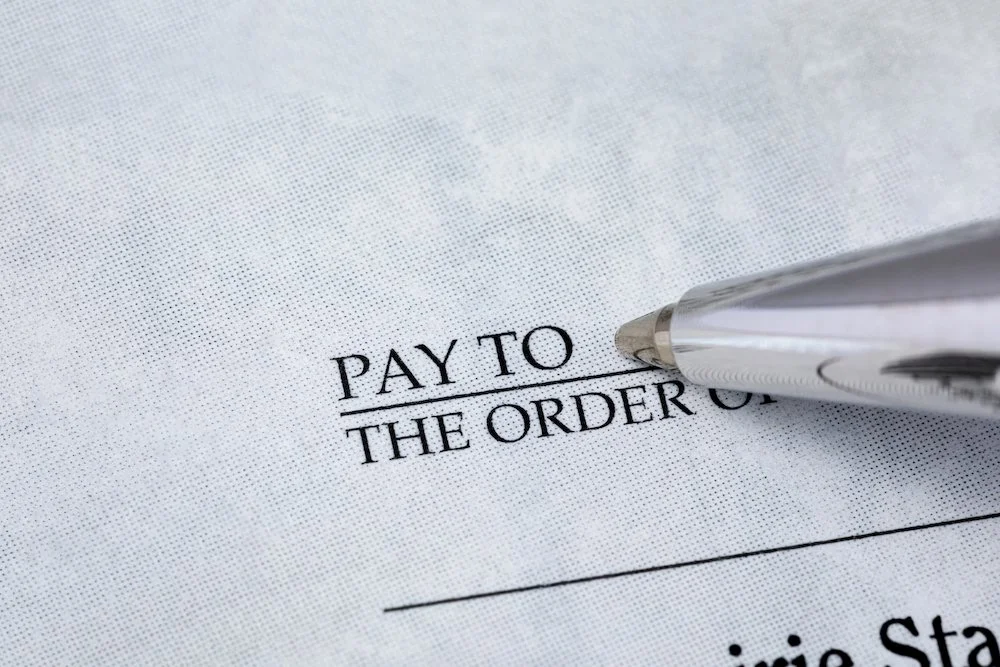
Until this year I sent my year-end charitable donations and paid many of my bills the old-fashioned way, by personal check. Internet fraud, you know. The warnings are everywhere.
I hadn’t heard as much about bank fraud. Now I have, because I was defrauded. And that has opened my eyes to this:
The bad guys are out in force, and their numbers are growing. Mail check fraud is a billion dollar scourge.
The law requires your bank to reimburse your loss if it’s legitimate and you alert them in a timely manner.
Don’t count on your bank to do the right thing.
How Bank Check Fraud Actually Happens
Here’s what happened:
In April I mailed a $9,000 check to the IRS. A few weeks later my bank statement showed the check had been cashed. In August the IRS sent me a bill for the unpaid $9,000 plus penalty and interest for non-payment.
Assuming the IRS had made a mistake I retrieved my bank statement and discovered that the envelope with my check had been intercepted somewhere in route by fraudsters who checkwashed out “U.S. Treasurer” as the payee and replaced it with “Shykeria Joyner,” a person I’ve never heard of. The check was clearly doctored, but a bank teller cashed it anyway.
I immediately contacted my bank, PNC Bank, reported the crime, closed the account and filed for reimbursement. According to the Uniform Commercial Code, Section 4-401, the bank is liable for the customer’s loss. I naively assumed that recovering my money from PNC would be just a formality.
Why Banks Don’t Reimburse Check Fraud Victims
Four months and countless unanswered phone calls later, I’ve discovered what untold others have discovered during a recent epidemic of bank check frauds: don’t expect your bank to do the right thing.
A quick Internet search turns up a lot of ugly bank behavior when confronted with the victimization of their customers by check fraud. Here are a few examples:
Customers struggle to get banks to reimburse them for check fraud
PNC Reports Third Quarter 2025 Net Income of $1.8 Billion, $4.35 Diluted EPS
Bank industry strategy seems to be “want the money back that you entrusted to us, sue us if you dare.” Not even the Internet czars are that crass when web site scams are discovered. Not even Comcast has been as unresponsive to a problem as my bank has been. (In fairness, Comcast seems to be doing much better).
How to Protect Yourself From Mail Check Fraud
So, if you do still write and mail paper checks, I’ve learned that there are a few defenses.
Check washing apparently is not that hard to do. Just a few of the right chemicals, even nail polish can turn your check into a criminal act.
So first, and most important, when writing a check, use an indelible black or blue gel ink pen, like the Sharpie S-Gel. Ink from those pens sinks into the paper fibers, making it much harder to erase than standard ballpoint pens.
That’s not foolproof, so it’s worth taking a few other precautions. Like mailing checks directly at the local post office. Or if you do drop the envelope in a mailbox do it as near as possible to your drop’s collection time, giving crooks less time to fish it out.
If your bank statement, like mine, shows a check has been cashed but doesn’t display the face of the check itself, take the extra step to make sure it went to the right destination and wasn’t highjacked along the way.
Authorities also suggest that when defrauded, check to see whether your Social Security number is compromised. You also should regularly review your credit reports at AnnualCreditReport.com for unknown accounts, monitor your bank/credit card statements for fraud, and check your My Social Security account for benefit fraud.
Or, you can do what I now do, pay everything I can online. Because it appears to be safer. Who knew?
PUBLISHING NOTE: It’s Always Something will take a brief holiday vacation. No newsletters on Christmas or New Year’s Day. See you next year. Thanks for being part of our community of readers. I value your readership and comments.
Here’s this week’s STEM Winder: A weekly look into the future.

Comments? Criticism? Contact Joe Rothstein at jrothstein@rothstein.net
Always Get It’s Always Something
Sign up to get the most recent column set to your inbox for free.



What happens when a fun-loving, charismatic, reform-minded Mexican-American billionairess becomes president of the United States and strikes fear in the pocketbooks of a cabal of the rich and powerful?