Climate Researchers Write New Orleans' Obituary
Nearly 500,00 people were drawn to a racetrack last week. And, no, it wasn’t Louisville’s Churchill Downs for the Kentucky Derby.
It was New Orleans’ Fair Grounds, where no horses were in evidence. Just 5,000 musicians participating in the city’s annual Jazz and Heritage Festival. Among them Herbie Hancock, Mavis Staples, Rhiannon Giddens, the Eagles, Stevie Nicks, Ani DiFranco, Jon Batiste, Earth Wind and Fire. Enough great music to keep crowds entertained for eight days on 14 stages.
I once went to this amazing event. If you haven’t, add it to your bucket list. Go soon, because neither the Festival nor New Orleans itself will be there much longer.
What? A major U.S. city will just disappear?
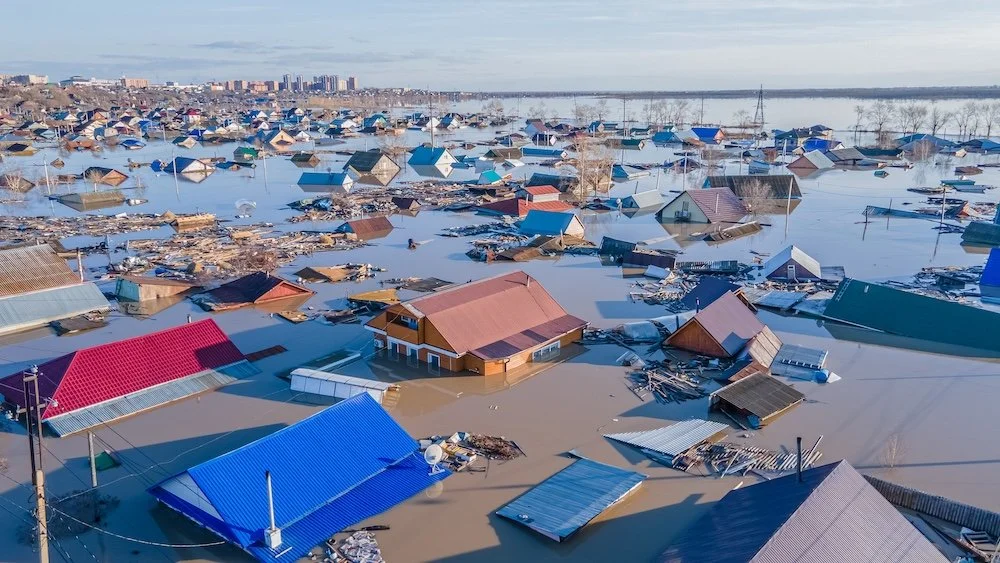
New Orleans Climate Crisis: A City Facing Disappearance
According to a recently published research study in the Nature Sustainability Journal, New Orleans has passed the point of no return on Mother Nature’s hit list, and there’s nothing anyone can do to save it.
A combination of sea-level rise and rampant erosion of wetlands will swallow up the New Orleans area within a few generations, the paper concludes. The stark numbers: a 10 to 20-foot sea rise. A 62-mile migration of shore line. Not even the billions of dollars already spent on a network of levees, floodgates and pumps since Hurricane Katrina will be enough to save the city, according to the paper.
The Guardian newspaper quotes Jesse Keenan, an expert in climate adaptation at Tulane University and one of the paper’s five co-authors with this dismal forecast:
“Even if you stopped climate change today, New Orleans’s days are still numbered. It will be surrounded by open water, and you can’t keep an island situated below sea level afloat. There’s no amount of money that can do that.”
Why is New Orleans literally drowning? The rising sea levels are driven by global heating, compounded by strengthening hurricanes, a result of the climate crisis, and by how the oil industry has carved up the natural barriers of the coastline.
Political Inaction on Climate Change in New Orleans
You might imagine that the city and state political leaders recognize the threat and are preparing for an orderly migration by relocating essential infrastructure to safer ground. Guess again.
The state’s governor just vetoed a major plan that might have held back the tide for a while. The oil industry is in court fighting efforts to make it pay for its part in the ecological disaster.
As for help from Washington, mitigating the results of climate change is not “aligned” with the president’s agenda, best expressed by Donald Trump last September in his speech to the United Nations. “This 'climate change,' it's the greatest con job ever perpetrated on the world, in my opinion," said Trump.
Imagine how that sounded to the leaders of India, Vietnam and Bangladesh where salt water already has migrated 100 kilometers up the Ganges and other rivers, destroying vital rice bowls.
In Bangladesh, an estimated 2,000 migrants a day show up in that nation’s capital, driven by the loss of their farms. Worldwide, the UN counts about 25 million climate refugees. By 2050, that number is expected to grow to 250 million.
Wider U.S. Climate Impacts and the Growing Insurance Crisis
Here at home, even Trump can’t decree a halt to the violence of changing climate. We’re well beyond the destructive flooding of Alaska coastal villages.
More than 60% of the U.S. is experiencing extreme drought that likely will result in devastating fires again this year. The coming Pacific El Nino is forecast to cause unprecedented storms in the western U.S. Sparse snow pack melt combined with little rainfall already is impacting water supplies in Phoenix and other cities in the southwest.
New York, Miami, Houston, Memphis, Tucson, Chicago, Philadelphia, Dallas. These are among cities most vulnerable to some combination of violent storms, extreme heat, flooding, land subsidence, fire, and shrinking water supplies.
Anticipating the worst, insurance companies are raising rates and abandoning some markets altogether. Since 2021, across the U.S. insurance rates have climbed an average of 46%. Florida policy holders pay five times the national average. State Farm, Allstate, and Farmers have stopped writing or restricted new policies in California. State governments in Florida and California are now filling the insurance gap themselves, taking the risk. That, of course, means taxpayers risking what private insurers won’t.
The insurance crisis is abetting the housing crisis. Since 2019 the share of uninsured homes has jumped from 5% to 12%. In 2024, 13% of California home sales were cancelled because buyers could not find affordable insurance.
Have you heard much about this in the media lately? Or seen any serious initiatives to deal with it in Congress? Me, neither.
Like the governor of Louisiana who finds this too hot a potato to touch because of cost and ideological denial, or the politicians too squeamish to talk about the industries that may need to move or the jobs that will be in jeopardy, or the real estate values that will be destroyed, our political leaders have largely kicked the can for others to deal with sometime in the future.
Mother Nature, unfortunately, is tired of waiting.
Comments? Criticism? Contact Joe Rothstein at jrothstein@rothstein.net
Always Get It’s Always Something
Sign up to get the most recent column set to your inbox for free.


What happens when a fun-loving, charismatic, reform-minded Mexican-American billionairess becomes president of the United States and strikes fear in the pocketbooks of a cabal of the rich and powerful?