Artificial Intelligence Is Creating Powerful, and Scary, New Political Campaign Tools
In the 1966 Pennsylvania Democratic Party primary for governor, a politically inexperienced, little-known businessman by the name of Milton Shapp defeated Bob Casey, an iconic name in Pennsylvania politics and the candidate of the state’s then powerful Democratic Party machine. It was a shocking result.
At the time, the key to winning most elections was to have the blessing of your political party. The party organization in power was able to control jobs, state contracts, judgeship appointments and more. When it came time for elections, party leaders could ordain who would be on the ballot, and had teams of workers in the precincts and wards who could steer and turn out voters.
Shapp’s political strategist, Joe Napolitan, was one of the first to understand that the then near universal adoption of TV and significant improvements in polling created the opportunity to go over the heads of party organizations and straight to the voters. Campaign ads could be created informed by poll results. And since most media markets had only three network TV stations, those messages would be seen by virtually every registered voter.
The New Political Machine: From TV Spots to AI Precision
Napolitan introduced Shapp to most voters by producing a 30-minute program titled “Man Against The Machine,” featuring Shapp as the star. On Sunday night, nine days before the election (no early voting then) he bought the 8 p.m. time slot on all three channels, in every Pennsylvania media market. If you were watching TV, as most people were, you watched a dramatic feature that introduced Shapp in the most favorable light, promising to do something polls showed that voters wanted done—break up entrenched political machines.
Over the next nine days, as a result of the film and follow up reinforcing TV ads, Shapp went from unknown into the lead and pulled off a stunning upset. Shapp lost the general election that year, but four years later he was elected governor and served two highly successful terms.
The Shapp campaign ended political machine dominance and opened the way for anyone to independently run and win party primaries. In the years since, technology and experience have modified Joe Napolitan’s original strategy, but essentially campaigns have remained poll-driven media events. Until now.
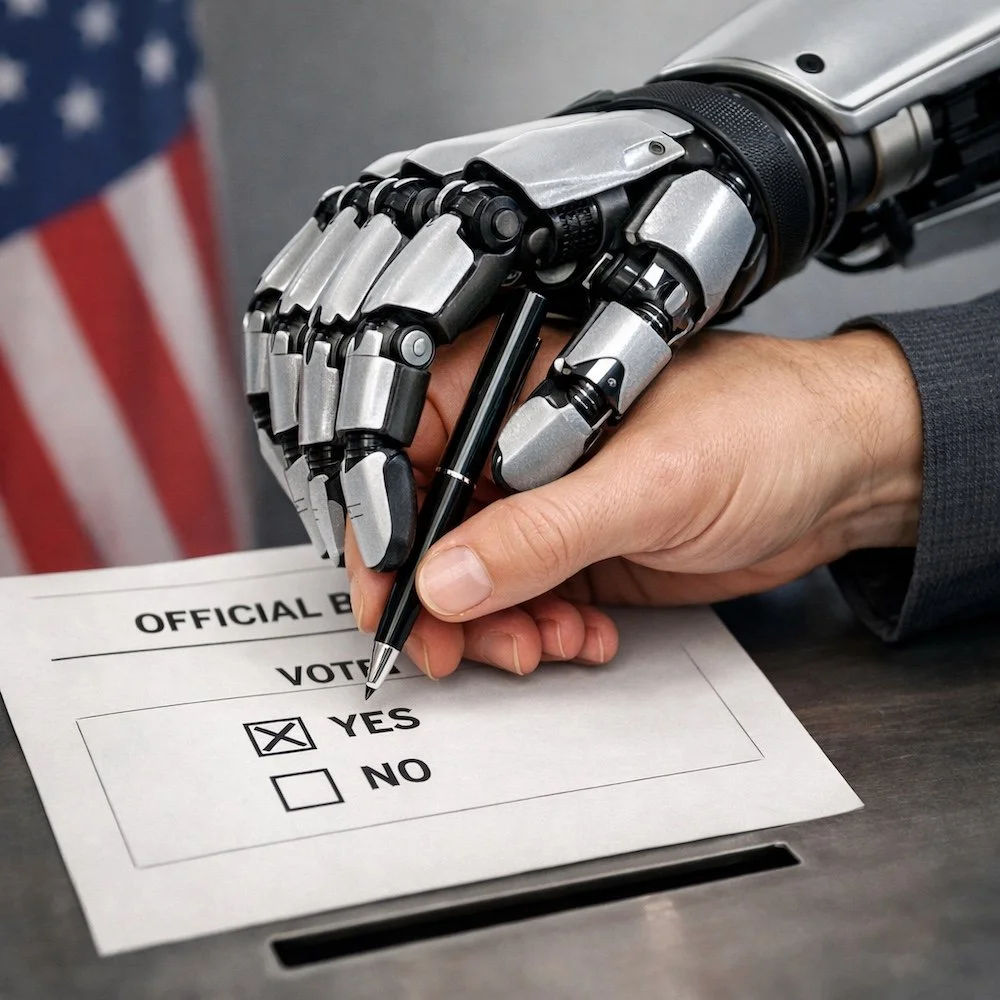
This year, artificial intelligence combined with ever more powerful and faster computing will create opportunities to change campaigns in ways never before possible.
With enough time and money, campaigns now can literally customize messages and their delivery for every individual registered voter.
Here’s how:
Nearly everything about you is on a file somewhere. Your age, religion, level of formal education, marriage status, children, age, what you read, voting history, political contributions, even the streaming video programs you watch. For years, advertisers and political campaigns have been using those lists to hone messages for discreet audiences—married women who live in the suburbs, with some college background, young children at home, whose family income is between $75,000-$100,00, for example.
How Personal Data Fuels Scary New Voter Targeting
Where do they get this information?
It should surprise you that one source is the agency that determines your credit rating, Experian. The information that Experian receives from your credit card transactions and almost anything you do financially is not as confidential as you might think. Experian packages what it knows about you into bundles of lifestyle data and sells it to list brokers.
The magazines and apps you subscribe to also say a lot about you. Go to the web site Statssocial and learn how it maps your social media activity to defined "cultural value" political leanings.
Do you listen to podcasts? Check out Collabstr.com, one of many places that matches your profile to “influencers” who have thousands, even millions of followers. Later.com and others will manage a candidate’s entire influencer campaign.
Personal endorsements from highly visible people are hardly new political developments. But in today’s environment of suspicion about what’s true or not, there’s much greater value in personal trust built up on Tik Tok, or through podcasts, or Substack offerings than from personalities seen occasionally through entertainment or other means.
Neither is personalizing list management new to the political campaign world. What is new is how artificial intelligence can be used to run thousands of simulations, cross indexing all this data about you to distill and deliver the perfect message. If you are undecided on how to vote, the campaign can surmise that even without asking you. In fact, the hottest new thing in polling is using personal data, not interviews, to report results.
AI Simulations and the Evolution of Political Campaign Tools
Artificial intelligence can cross index your personal data to create custom messages most likely to influence your vote. Through streaming video, email, instant messaging, door-to-door contact, cell phone calls or whatever, the campaign can deliver those messages to you multiple times in multiple ways that get your attention. While the voters next door get a completely different set of messages.
Not to be ignored, and even more ominous, the campaign will have the tools to manipulate photos, video, voice and backgrounds to change reality. Did he really say that? Was she really there?
Small wonder that the Trump political operation is so keen to collect voter lists. That interest goes well beyond finding non-citizens to deport. That’s why states and localities must dig in hard to resist White House efforts to compile a national voter file.
Aside from that risk, the candidates most likely to use and succeed in this new campaign world are those who grew up with the technology. And there are lots of young people on 2026 ballots.
So don’t be too surprised to see a rash of Milton Shapp-like political upsets this year. They’re coming soon to a campaign near you.
Comments? Criticism? Contact Joe Rothstein at jrothstein@rothstein.net
Always Get It’s Always Something
Sign up to get the most recent column set to your inbox for free.


What happens when a fun-loving, charismatic, reform-minded Mexican-American billionairess becomes president of the United States and strikes fear in the pocketbooks of a cabal of the rich and powerful?